Girot
Girot is a small commune in central France that, during the German Occupation, becomes a site of imprisonment and execution for the Nazi regime. It is here that the Resistance network centered on the Nightingale escape route suffers one of its most devastating blows: the arrest of Isabelle Rossignol and the execution of her father, Julien Rossignol, who falsely confesses to being the Nightingale to save her. The town functions in the narrative as a place of ultimate sacrifice and the threshold between Isabelle's life as a Resistance courier and her deportation to the Ravensbrück concentration camp.
Location and Setting
Girot is described as a small, sand-colored town with bombed-out buildings and piles of rubble, its streets crooked and cobblestoned. A blue Cross of Lorraine has been painted onto the stone sides of an abandoned school, marking it as territory sympathetic to the Free French. The town square is dominated by a fountain, which becomes the site of Julien's execution. When Vianne arrives, she finds the square eerily silent, with few people about, and the air of desertion is broken only by a woman's scream. The fountain is lashed with a dead body—her father's—his head strapped back with an army belt, his chest chewed up by bullet holes, blood reddening the water that laps around his ankles.
The Prison and the Execution
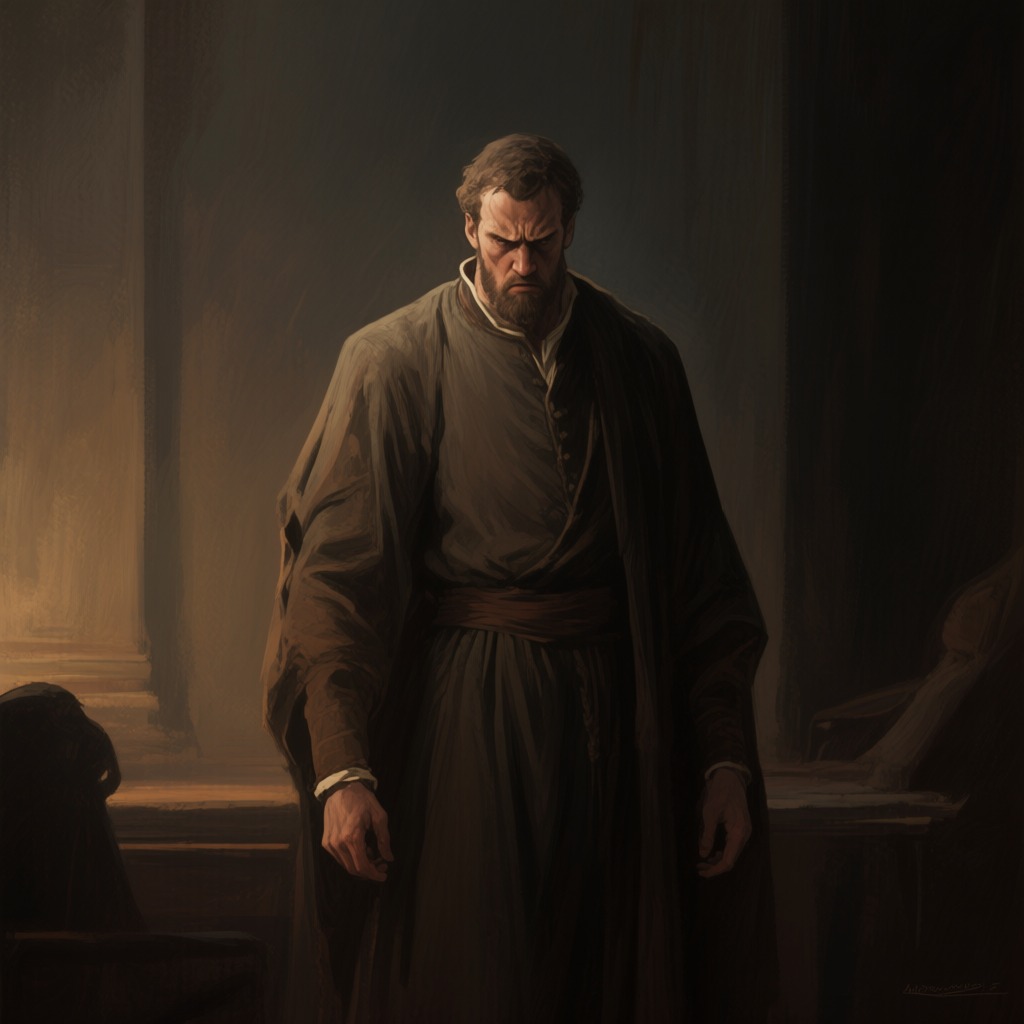
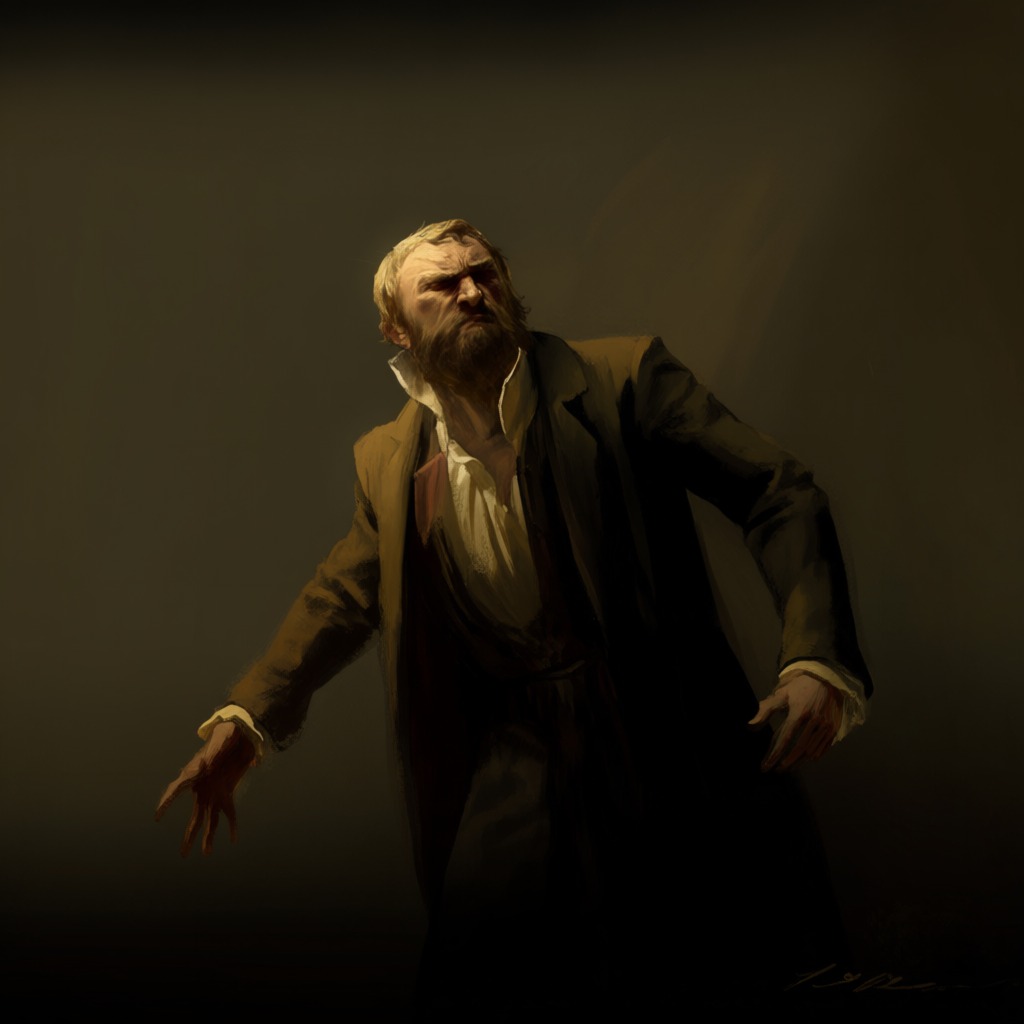
Isabelle is held in a dank, airless cell in Girot, where she has been tortured by Rittmeister Schmidt of the Gestapo. She is subjected to beatings, cigarette burns, and being locked naked in a refrigerator. When she is brought out, she sees her father, Julien, who has come to the prison to sacrifice himself. He tells the Gestapo, "I am the Nightingale," and is taken to the square. Isabelle watches from her cell window as he is dragged across the cobblestoned square, past the fountain, and made to face a firing squad. He stands tall, squares his shoulders, pushes the white strands of hair from his eyes, and mouths "I love you" to Isabelle before the shots ring out. His body is left lashed to the fountain as a warning.
Vianne's Arrival and Aftermath
Vianne travels to Girot after learning of Isabelle's arrest from her father. She arrives at the town square to find Julien's bullet-ridden body tied to the fountain. The sight of her father's corpse is devastating; she had only just reconciled with him moments before he left to sacrifice himself. Immediately afterward, she sees Isabelle being led out of the prison by a German woman guard. Isabelle, emaciated and bearing the marks of torture, tells Vianne to go away, saying, "So did he," gesturing toward their father's body. Isabelle is then shoved into a lorry and taken to the train station, where she is deported to Ravensbrück. Girot thus marks the end of Julien's life and the beginning of Isabelle's imprisonment in the camp system.
Narrative Significance
Girot functions as a site of both sacrifice and loss. Julien's execution there is the culmination of his arc from a broken, alcoholic father who abandoned his daughters to a man who redeems himself by giving his life for Isabelle. The town square, with its fountain and dead body, becomes a permanent image of the cost of resistance. For Vianne, Girot is where she witnesses the death of the father she had only just begun to love again, and where she sees her sister for the last time before Isabelle's long ordeal in the camps. The town thus embodies the theme of sacrifice that runs through the novel: the personal cost of fighting for freedom.